
For about 18 months from the beginning of 1939 a small number of children from Germany, Austria and Czechoslovakia found refuge in Crawley Down. They were part of an influx arriving in Britain as a result of various initiatives enabling children to escape the increasing threat to their and their families’ safety from the spread of Nazism. In March 1938 the Anschluss brought Austria into Germany’s control, and in October, as a result of the so-called Munich Agreement, Germany had been allowed to occupy the Sudetenland, the borderlands of Czechoslovakia where the majority of the population were German speaking. Suppressive measures taken against the Jewish population, particularly the infamous Kristallnacht of November that year, made life increasingly difficult and threatening for them and their supporters. Foreseeing further tightening of restrictions many families sought the means to emigrate and avenues were opened by organisations to bring children to Britain.
Various internet sites have shed a small amount of light onto the role that Bankton House played in providing a temporary home for young refugees. The then owner of Bankton, Mrs Althea Davis, a widow, contacted the Catholic Committee for Refugees from Germany to offer her large house and its grounds as accommodation. The committee had been set up in 1938 but its remit soon altered to include Jewish children. Althea Davis offered room for up to 50 children and bore the costs herself. She spoke German so was able to communicate with the children in their own language, a particular problem for many on their arrival in Britain. The Kindertransport enabled parents in Czechoslovakia, Germany and Austria to send their children to England by train and ship to safety, though many parents were unable to follow and waving goodbye to their sons and daughters was often the last the children saw of their parents whose fate in too many cases was to lead to a concentration camp.
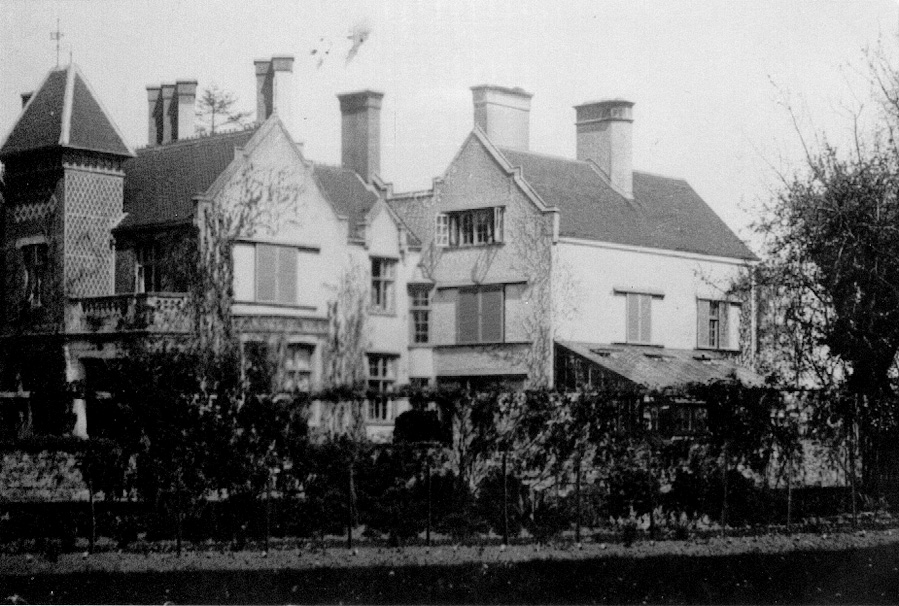
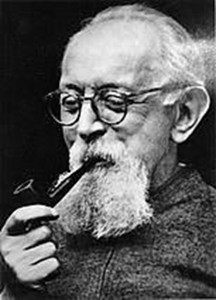
Mrs Davis provided the house, though whether she also included some domestic staff to help is not clear. The day-to-day running of the house was under the guidance of a 50-year-old German-born priest, Fr. Emanuel Reichenberger, who had worked with the Sudeten Germans. There were four nuns who worked voluntarily and their names are recorded on the census that was taken on the 29th September 1939: Maria Turnifeld, Karoline Lergenmüller, Martha Schamte and Monica Burke (in transcribing the handwriting I may have inadvertently misspelled some of them). Also named were some of the domestic staff: Clare Thunder, the Manageress, and Elizabeth Fowler her assistant, Harriet Lill, the cook, and Madelein Wyatt, who was a maid. One of the staff may also have been a refugee. Irmegarde (otherwise Irmgard) Eltis was only 16 in 1939 but was old enough to have left school and she was listed as a domestic worker. Twenty-two of the names, presumably of the refugees, were redacted on the census page because they were still living when the census was published online in 2018, suggesting that there were 30 children at Bankton when war broke out.
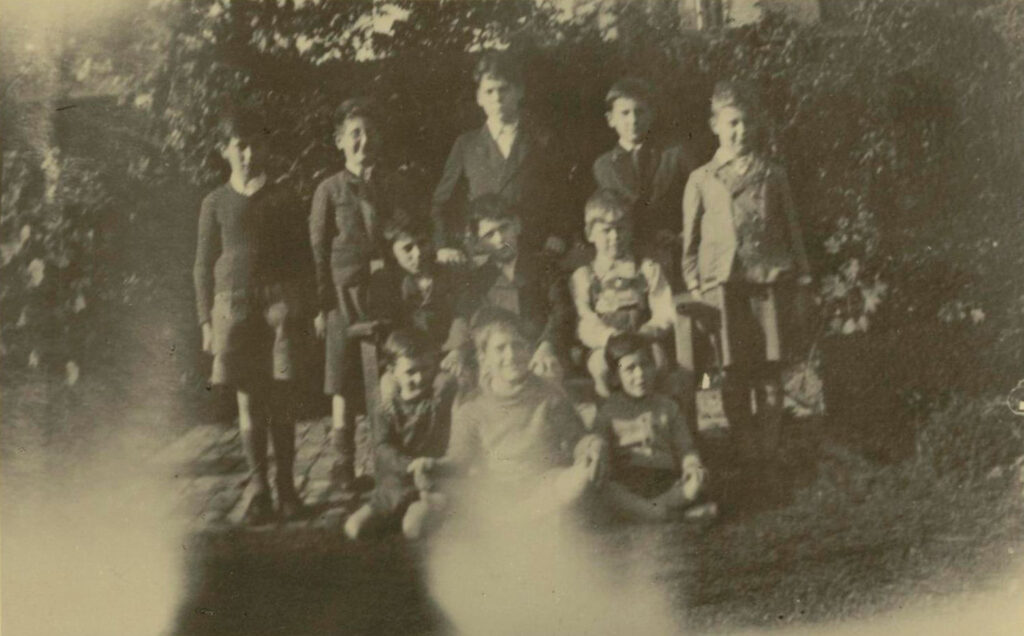

The names of four of the refugees were not redacted presumably because they had deceased before 2018. They were Helga Horniss, aged 16, Ingeborg Friedeberg, who was 15, Magda Ticho, from Vienna, who was 14, and Robert Omasta who was only 5. From a list of children who were rescued by Nicholas Winton, I have been able to identify Susanne and Lieselotte Flusser, 11-year-old twins from Prague who arrived at Bankton in May 1939.
| NAME | BORN | ORIGIN | SETTLED IN | DIED |
| Irmegarde Eltis | 21 Jan 1923 | England | 1995 | |
| Helga Horniss | 31 Dec 1923 | England | 2000 | |
| Ingeborg Friedeberg | 11 Mar 1924 | Australia | 2011 | |
| Magda Ticho | 5 Apr 1925 | Vienna | Canada | 1968 |
| Susanne Flusser | 2 Feb 1928 | Prague | Scotland | 1995 |
| Lieselotte Flusser | 2 Feb 1928 | Prague | England | 1996 |
| Francis Wahle | 12 Aug 1929 | Vienna | England | 2024 |
| Robert Omasta | 11 Aug 1934 | England | 1972 |
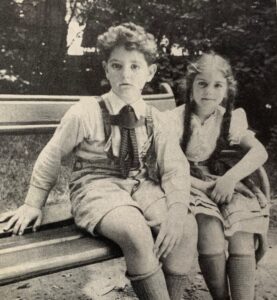
One young refugee, Francis Wahle, aged 9, was extensively written about when he died in 2024. He had spent his life as a Roman Catholic priest. He and his younger sister Anne arrived on the Kindertransport from Vienna, via The Netherlands, in January 1939. The Nazis had ignored the fact they had been baptised Catholics and that their parents had converted from Judaism; in Nazi eyes they were of Jewish ancestry. At Liverpool Street station they were split up. His sister was placed in the care of Ursuline nuns in Essex, but having been let down by the person who had agreed to sponsor him, Francis was housed at Bankton. He and Anne kept in touch, though, and after the war learnt that their parents had survived in hiding.
In June 1940, the refugees had to move elsewhere as Bankton was requisitioned for military use. In due course a unit of the Royal Canadian Corps of Signals took up residence.
Althea Davis continued humanitarian work throughout the conflict, including running canteens. She would later be honoured with an OBE, and died aged 97 in 1990.